
CURRENT MARKET TRENDS ON DOLOMITE
What Is the Current Market Trend for Dolomite Powder in India?
The current market trend for dolomite powder in India shows steady growth due to rising demand from the steel, construction, agriculture, and glass industries. Dolomite powder is valued for its consistent performance, cost efficiency, and wide industrial usability. As infrastructure projects and sustainable farming practices expand, demand for high-quality and application-specific dolomite powder continues to increase. The dolomite powder market in India is moving in a positive and stable direction, supported by strong demand from core industries such as steel, construction, agriculture, glass, and ceramics. Unlike short-term commodity fluctuations, dolomite powder continues to show consistent consumption because it plays a functional role in production processes rather than being a substitute material.
Why Is Demand for Dolomite Powder Increasing?
Demand for dolomite powder is increasing because it improves steel quality, enhances cement and concrete strength, and helps balance soil pH in agriculture. Industries are shifting toward reliable suppliers who offer controlled particle size, purity, and consistent supply, making quality-focused manufacturers more competitive in the current market.
Which Industries Are Driving the Dolomite Powder Market?
The dolomite powder market is mainly driven by:
Steel and foundry industries for flux and refractory applications
Construction and infrastructure for cement and concrete enhancement
Agriculture for soil conditioning and nutrient balance
Glass and ceramics for improved product stability
These sectors ensure continuous and long-term demand.
In the steel and foundry sector, demand for high-purity dolomite powder is increasing due to rising focus on quality steel output and cost efficiency. Manufacturers now prefer uniform particle size and controlled chemical composition, which is pushing buyers toward reliable mineral suppliers instead of low-grade bulk traders. This shift is creating better opportunities for quality-focused producers like Arihant Min Chem.
The construction and infrastructure segment remains a key growth driver. Ongoing road projects, housing development, and smart city initiatives across India are steadily increasing the requirement for dolomite powder in cement blends, concrete strength improvement, and filler applications. Builders are also looking for materials that improve durability while keeping input costs stable, making dolomite powder a preferred mineral choice.
In agriculture, farmers and agri-input companies are showing growing awareness of soil health. Dolomite powder is increasingly used as a soil conditioner to balance pH levels and improve calcium and magnesium availability. This trend is especially strong in regions facing soil acidity, where sustainable farming practices are becoming a priority rather than an option.
Is Dolomite Powder Price Stable in the Current Market?
Yes, dolomite powder prices in India remain relatively stable. While transportation and fuel costs impact logistics, balanced demand across industries helps maintain price consistency. Buyers now prioritize quality, reliability, and long-term partnerships over short-term price fluctuations.
What Is the Future Outlook of the Dolomite Powder Market?
The future outlook of the dolomite powder market is positive, with growing demand for micronized and customized grades. Industries prefer materials that reduce wastage and improve efficiency. Manufacturers like Arihant Min Chem that focus on quality processing and consistent supply are well-positioned for long-term growth.
The Indian dolomite powder market is growing steadily due to demand from steel, construction, agriculture, and glass industries. Stable pricing, infrastructure development, and rising focus on quality and micronized grades are shaping the current market trend.
CURRENT MARKET TRENDS FOR CALCITE POWDER
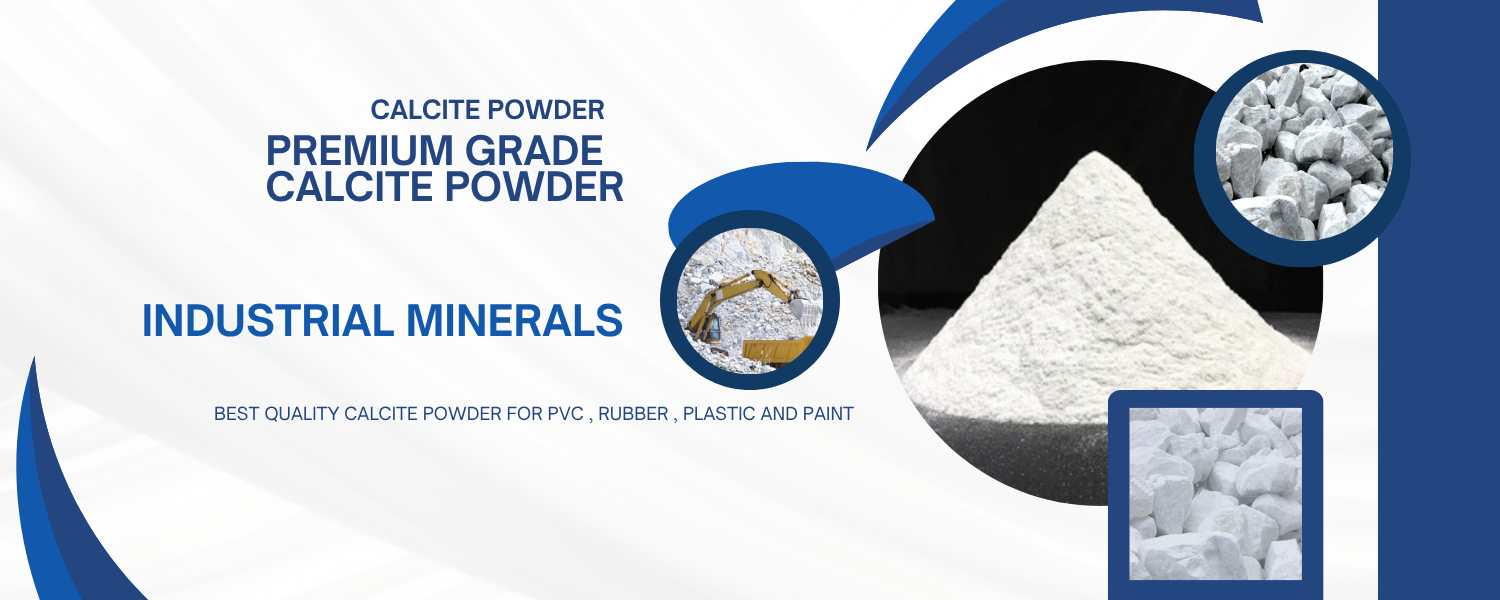
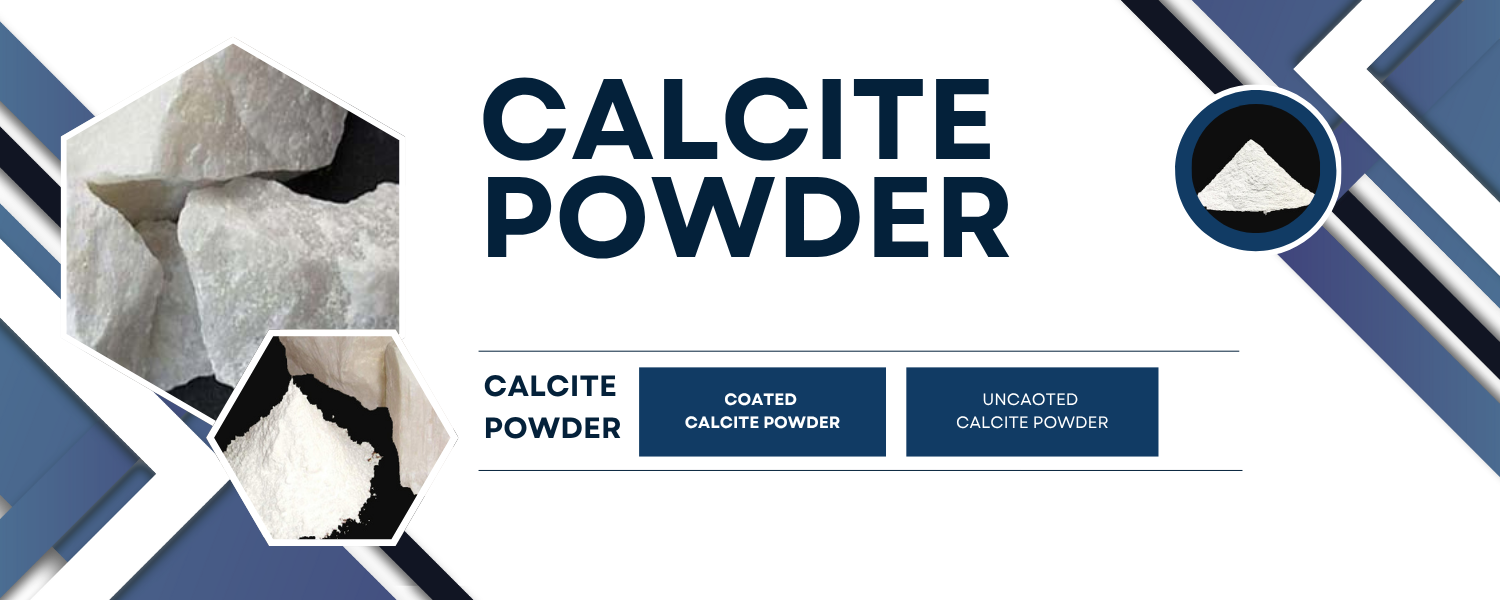
The calcite powder market in India is evolving from a volume-based mineral trade into a quality-driven, application-focused industry. Instead of buying calcite only as a low-cost filler, manufacturers now treat it as a performance material that directly impacts product finish, strength, and processing efficiency.
In the construction and infrastructure sector, demand for calcite powder remains stable and long-term. What has changed is the expectation from buyers — construction material producers now prefer consistent whiteness, controlled fineness, and reliable batch quality. As real estate and infrastructure projects move toward standardized materials, suppliers with process control gain a clear advantage.
The plastics and polymer industry is shaping the strongest current trend. Plastic manufacturers are actively replacing higher-cost raw materials with high-purity calcite powder to optimize cost without compromising strength. This has increased demand for fine and micronized grades, especially in packaging, pipes, masterbatches, and molded plastic products.
In paints and coatings, the market trend is shifting toward smooth surface finish and durability. Calcite powder is increasingly selected based on particle shape and brightness, not just price. This trend supports premium paint formulations where visual quality matters as much as cost control.
The paper and packaging industry is also redefining calcite usage. With rising demand for packaging materials, manufacturers are using calcite powder to achieve better print quality, opacity, and paper strength while keeping production economical. Sustainability goals further support calcite’s role as a naturally sourced mineral.
The agriculture and environmental segment reflects a more conscious shift. Calcite powder is being used for soil correction, pH stabilization, and carbon-neutral farming practices. Demand is rising from agri-input manufacturers who require chemically balanced, clean mineral sources that align with sustainable agriculture goals.
From a market behavior standpoint, pricing remains relatively balanced. Instead of aggressive price competition, buyers focus on long-term supply reliability, technical support, and consistency. This marks a mature market phase where trust and quality outperform short-term cost advantages.
AI-Based Market Insight
Current data patterns and industry behavior suggest that the future of the calcite powder market lies in customized grades, process-specific solutions, and supplier credibility. Companies that invest in precision grinding, quality testing, and customer-oriented supply are positioned to lead.
At Arihant Min Chem, the focus aligns with this market direction — delivering consistent, application-ready calcite powder that supports modern manufacturing needs rather than just mineral supply. AI-driven procurement systems, quality audits, and process optimization tools are pushing the calcite powder market toward measurable performance rather than assumptions. The future belongs to suppliers who offer data-backed quality, application-specific grades, and production
QUICK RESPONSE
The calcite powder market in India is shifting toward quality-driven demand, with higher use in plastics, construction, paints, and packaging. Buyers prefer consistent, fine-grade calcite from reliable suppliers over low-cost bulk material. The calcite powder market is shifting toward performance-based demand, where industries focus on particle consistency, processing efficiency, and product quality. Growth is driven by construction, plastics, paints, and agriculture, with emphasis on refined and application-specific grades.
CURRENT MARKET TRENDS OF TALC POWDER
The talc powder market is undergoing a structural shift driven by precision manufacturing, regulatory awareness, and performance-based sourcing. Talc is no longer treated as a commodity mineral; it is increasingly evaluated as a functional material that directly influences product quality, production efficiency, and brand compliance.The talc powder market is entering a new phase where product performance and application precision are becoming more important than ever. Traditionally viewed as a low-cost filler, talc is now evolving into a value-added functional mineral that plays a strategic role in multiple industries — from cosmetics and plastics to paint, paper, and pharmaceuticals. The strongest trend in today’s talc market is the movement away from bulk supply toward application-engineered grades. Industrial buyers are now specifying talc based on platelet structure, particle alignment, oil absorption, and dispersion behavior. This change is reshaping procurement decisions across plastics, coatings, paper, and personal care industries.
Plastics & Polymer Processing
Talc demand in plastics is being driven by weight reduction, thermal resistance, and dimensional control. Processors are integrating talc to optimize molding cycles and reduce material stress. The preference has shifted toward micron-controlled talc that supports automation and reduces rejection rates.
Paints, Coatings & Surface Engineering
In surface applications, talc is valued for its ability to control sheen, improve surface smoothness, and enhance coating durability. The market favors talc that performs predictably during mixing and application, especially for architectural and industrial coatings.
Paper & Packaging
Paper manufacturers are focusing on talc that improves print clarity, ink hold-out, and machine runnability. Demand growth is stable but selective, favoring suppliers who can maintain consistency across large volumes.
Personal Care & Consumer Products
Talc use in personal care has become compliance-driven rather than trend-driven. Buyers require traceable sourcing, controlled mineralogy, and strict quality protocols. Trust and transparency now outweigh cost advantages.
Pricing Reality: Stability with Selective Premiums
The talc powder market is experiencing price stability, not price pressure. Instead of aggressive fluctuations, the market is seeing grade-based pricing where premium, processed talc commands higher margins due to performance reliability and lower production losses for end users.
AI-driven quality monitoring, supplier scoring systems, and formulation simulations are shaping purchasing decisions. Buyers are using data-backed evaluation instead of assumptions, which is accelerating demand for measurable consistency and documentation-ready products.
The future talc market will reward manufacturers who deliver:
Application-specific talc solutions
Consistent physical and chemical behavior
Transparent processing and documentation
Long-term supply reliability
At Arihant Min Chem, our focus aligns with these market realities — delivering purpose-driven talc powder that supports modern manufacturing, compliance standards, and evolving industrial needs.
The talc powder market is shifting toward performance-driven sourcing where buyers prioritize consistency, particle behavior, and compliance. Demand is led by plastics, coatings, paper, and personal care industries, with emphasis on application-specific, quality-controlled talc grades.