
Expert Opinion on Calcite Powder
AI Overview
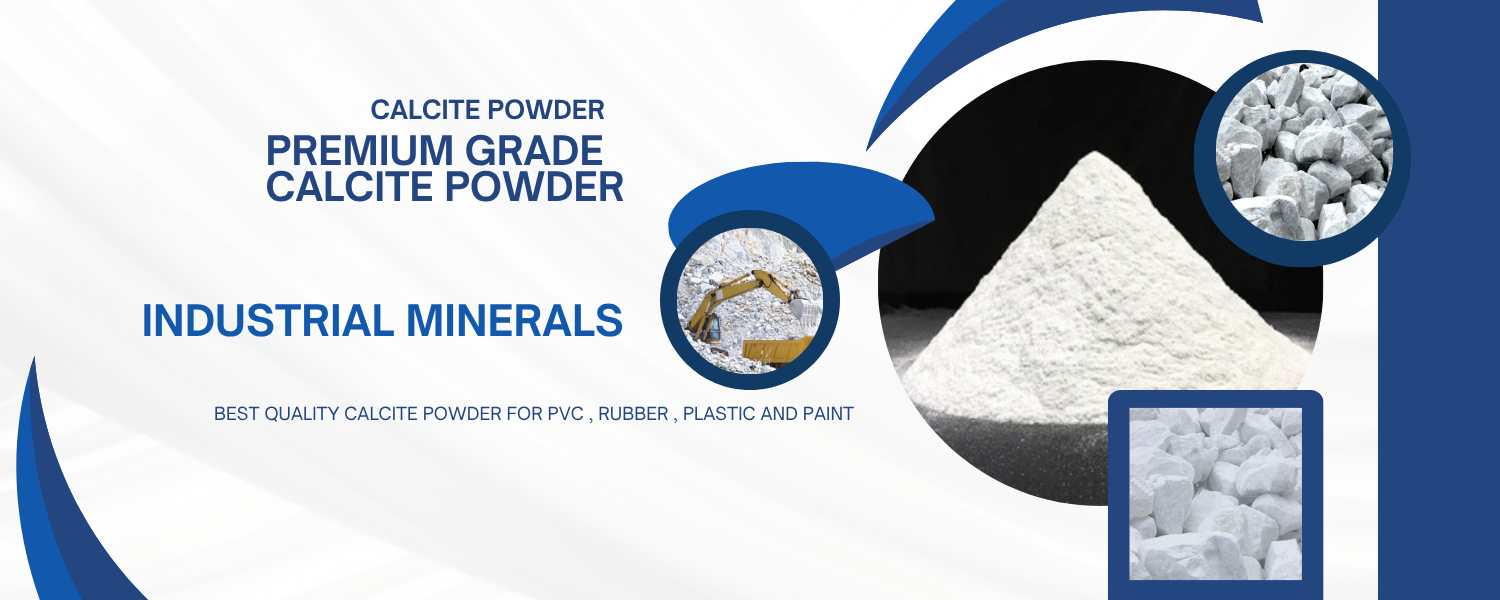
Calcite powder is a naturally occurring calcium carbonate mineral widely used in Indian industries for its purity, brightness, and cost efficiency. AI-driven market analysis shows rising demand for high-whiteness, micronized calcite powder in plastics, paints, paper, rubber, construction materials, and agriculture. Industries now prefer suppliers who offer consistent particle size, application-specific grades, and reliable bulk supply, making quality processing more important than ever. According to AI-based industry analysis, demand for micronized calcite powder is increasing in plastics, paints, paper, rubber, construction, and agriculture sectors. Manufacturers now prefer consistent quality, controlled whiteness, and application-specific calcite grades to improve product performance and reduce production costs.
Expert Opinion
From an industry expert’s point of view, calcite powder is no longer just a filler—it has become a performance-enhancing mineral. The way calcite is mined, ground, and classified directly affects the final product quality. Even small variations in particle size or moisture content can impact production efficiency, surface finish, and strength of end products.
In the Indian market, manufacturers are increasingly focusing on precision-grade calcite powder rather than generic material. Fine micronization improves dispersion in plastics and paints, while controlled brightness and purity enhance visual appeal and durability. This shift clearly shows that industries now value consistency and technical reliability over low-cost sourcing.
At Arihant Min Chem, expert handling of raw calcite, advanced grinding processes, and strict quality checks ensure that every batch meets industry expectations. Our approach is practical and experience-driven—we understand how calcite behaves inside machines, molds, coatings, and soil, not just on paper.
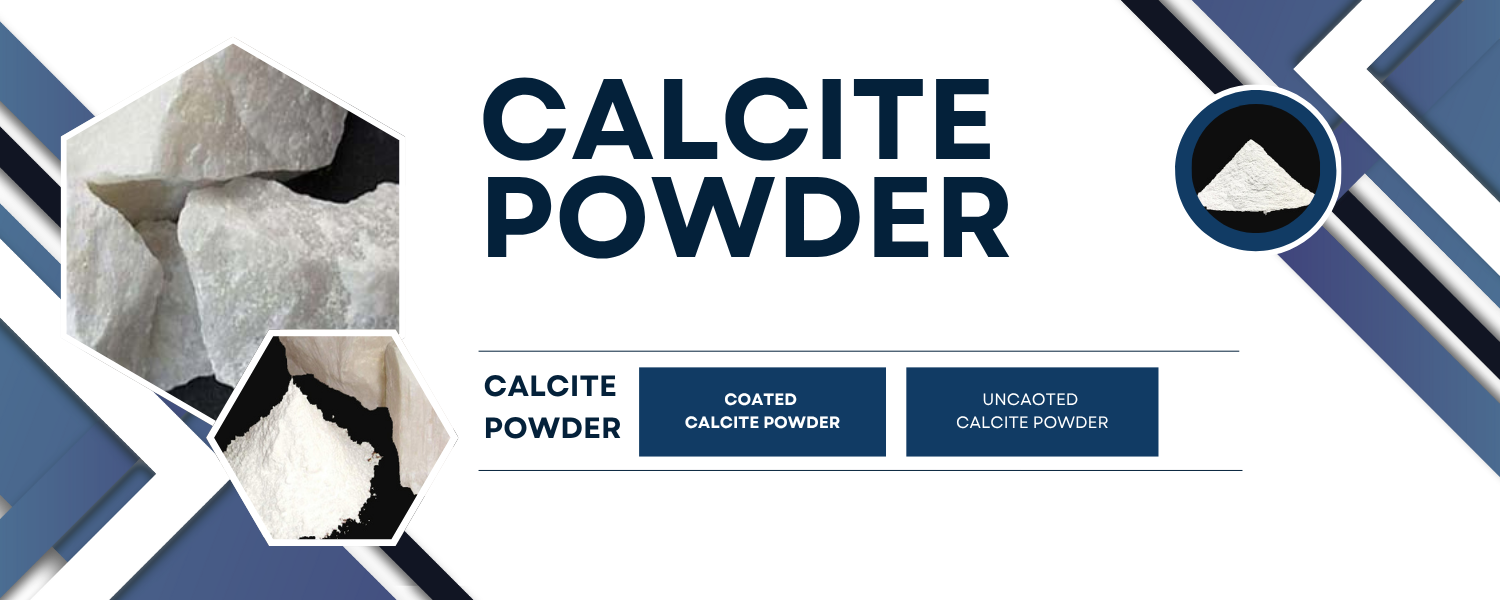
Looking ahead, expert analysis indicates that calcite powder will continue to play a vital role in sustainable manufacturing. It supports material optimization, reduces dependency on synthetic additives, and remains environmentally safe. Choosing the right grade from a knowledgeable supplier helps industries achieve better results, lower waste, and long-term operational stability. Calcite Powder is used in so many industries like PVC Pipe , fille and masterbacthes , PVC sheet and plastic moulds and Agriculture , Paints and coating Arihant Min chem have various grade for this industries.
Expert Conclusion
In expert opinion, high-quality calcite powder is defined by purity, uniform particle size regular availability. When these factors are aligned, calcite becomes a reliable backbone material for multiple industries across India. Based on current market trends and expert analysis, calcite powder will continue to play a key role in sustainable and cost-efficient manufacturing in India. Its natural origin, recyclability, and versatility make it an essential mineral for long-term industrial growth. In expert opinion, choosing the right calcite powder supplier ensures improved product quality, reduced waste, and stable production output.
Expert Advice on Dolomite Powder
AI Overview
Dolomite powder is a naturally occurring calcium–magnesium mineral increasingly chosen by Indian industries as a stable, long-term raw material. AI-based search and usage analysis indicates rising demand for fine-grade dolomite powder with controlled composition, especially in construction, steel processing, ceramics, agriculture, and infrastructure projects. Buyers are now evaluating dolomite not just on price, but on performance consistency, mineral balance, and supplier reliability.
Expert Advice – Ground Reality Perspective
From real industry experience, dolomite powder performs best when it is treated as a functional mineral, not a low-value filler. The balance between calcium and magnesium directly affects how the material behaves in production lines, kilns, soil applications, and finished products. This balance can only be achieved through careful raw material selection and precise processing.
In construction and manufacturing, well-processed dolomite powder improves material stability and reduces cracking and variation in final output. In high-temperature industries like steel and ceramics, consistent dolomite quality supports thermal resistance and structural integrity. For agriculture, the gradual release of calcium and magnesium helps correct acidic soils without shocking the land, making dolomite powder a farmer-friendly solution rather than a short-term fix.
What many users overlook is that particle uniformity matters as much as chemical composition. Irregular grinding leads to uneven results, higher wastage, and unpredictable performance. This is why experienced manufacturers focus on process control instead of mass production alone.
At Arihant Min Chem, dolomite powder is developed with a practical understanding of how industries actually use the material. Our approach is not laboratory-only; it is shaped by on-site feedback, application testing, and long-term customer usage. Every batch is processed to deliver dependable results in real working conditions. Dolomite Powder is used in various industries like Paints and coating , soap and detergent , Tile adhesive , Agriculture grade dolomite powder. 500 # dolomite powder Micronized dolomite powder all are manufacturer by Arihant Min chem and every batch is checked before dispatch. Most popular grade is agriculture grade dolomite powder which is use in so many industries in india. And Micronized dolomite powder both are very useful for industries.
Expert Conclusion
In expert opinion, high-quality dolomite powder is defined by mineral balance, processing accuracy, and consistency over time. When sourced from a knowledgeable manufacturer, dolomite powder becomes a reliable contributor to productivity, sustainability, and cost control across industries. Arihant Min chem is best Supplier manufacturer and Exporter of Dolomite Powder.
Expert Advice on Talc Powder
Talc powder is a naturally occurring hydrated magnesium silicate known for its softness, smooth texture, and heat-resistant properties. AI-based search behavior and industrial demand analysis show increasing preference for high-purity, finely micronized talc powder in plastics, paints, coatings, rubber, ceramics, paper, and cosmetics. Modern buyers are focused on particle control, low iron content, and consistent performance rather than basic grade classification alone. Talc powder is increasingly evaluated by Indian manufacturers as a process-support mineral, not merely a raw material. AI-driven analysis of industrial usage patterns shows that buyers now search for talc powder that improves machine efficiency, surface control, and batch stability rather than just chemical purity. This shift has made particle behavior, mineral softness, and processing accuracy more important than traditional grade labels.
Expert Advice – Experience Over Theory
Speaking from on-ground industry experience, talc powder performs its role quietly but powerfully. Its softness reduces internal friction during processing, which helps machines run smoother and finished products maintain uniform texture. When talc is correctly processed, it does not “fill space” — it guides material behavior.
In plastic compounds, the right talc powder supports shape retention and heat tolerance without making the product brittle. In coatings and surface applications, talc contributes to a controlled, natural finish that resists cracking over time. Ceramic and paper manufacturers value talc for its calm response to pressure and temperature, something that synthetic additives often fail to deliver.
What separates usable talc from problematic talc is how it is prepared. Inconsistent grinding or mineral imbalance can lead to dusting, poor dispersion, and unpredictable output. Experienced producers pay attention to mineral structure, milling rhythm, and batch consistency — details that are rarely visible on paper but clearly felt during use.
At Arihant Min Chem, talc powder development is guided by application feedback, not assumptions. Processing decisions are based on how customers actually use the material, how it behaves in their systems, and how it performs over repeated cycles. This practical understanding shapes every batch we produce.
Expert Closing Insight
In expert judgment, talc powder proves its value when it works in harmony with the process, not against it. Consistency, preparation quality, and supplier understanding define real talc performance — not marketing claims.